
Tyres & wheels
Tyre Size Visualizer
Compare two tyre sizes, see the difference and take your selected size into tyre search.
01 Enter sizes02 Compare03 Find tyres
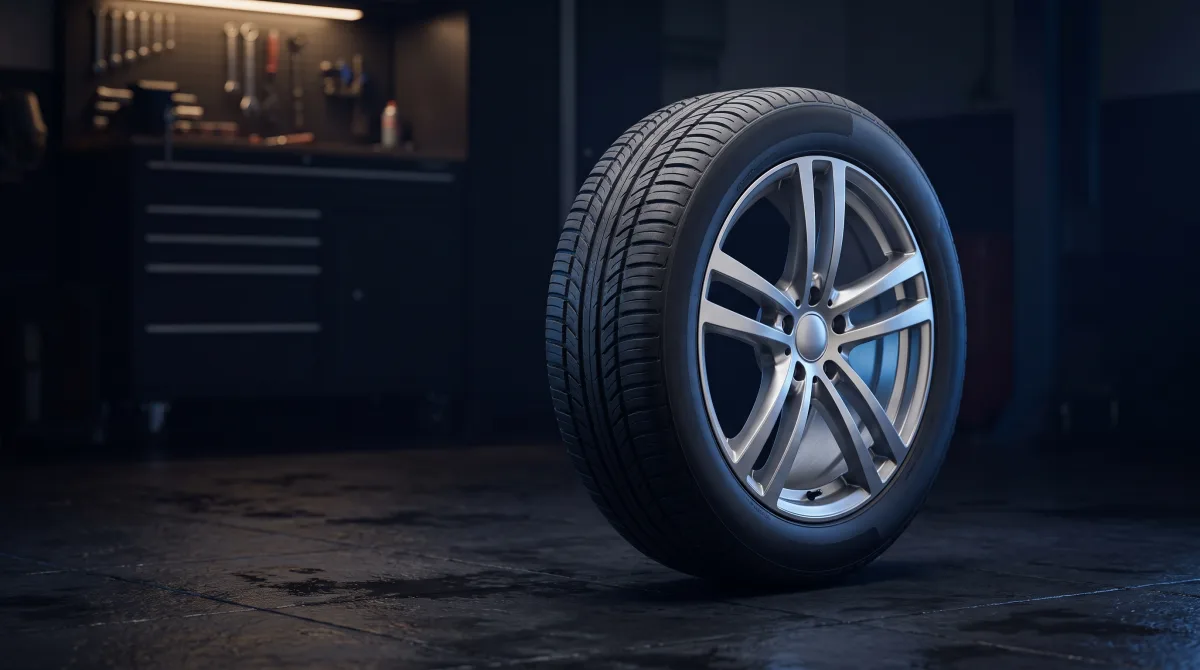
Explore a larger wheel
Illustrative sizes: add 10 mm of width per extra inch of rim, then calculate the closest five-point profile. Availability and vehicle fitment are not checked.
Unavailable examples fall outside this calculator's input range.
Side-by-side comparison
Same scale · unloaded geometry
| Dimension | Current | New | Change |
|---|---|---|---|
| Diametermm | 631.9 | 634.3 | +2.4 |
| Sidewallmm | 112.8 | 101.3 | -11.5 |
| Circumferencemm | 1985.2 | 1992.7 | +7.5 |
| Section widthmm | 205.0 | 225.0 | +20.0 |
| Rim diameterin | 16.0 | 17.0 | +1.0 |
Calculated from nominal size markings. Actual tyre dimensions can vary by model, wheel width, pressure, load and wear.
What changes?
- Nominal diameter change
- +0.38%
- Estimated actual speed at an indicated 70 mph
- 70.3 mph
Assumes the original speedometer was exactly calibrated. This is a geometric estimate, not a measurement of your car's speedometer or a legal tolerance check.
Nominal radius change: +1.2 mm. This does not confirm ground or body clearance.
Comparing 205/55 R16 with 225/45 R17. Nominal diameter change +0.38 percent.
Read a size: 205/55 R16
- 205 · section width
- The nominal width in millimetres, measured across the widest part of the sidewalls. It is not the tread width.
- 55 · aspect ratio
- The sidewall height is 55% of the section width: 112.75 mm in this example.
- R16 · construction and rim
- R indicates radial construction. 16 is the rim diameter in inches; one inch equals 25.4 mm.
Enter the size code only. Load and speed indices, XL markings and run-flat requirements are not assessed by this tool.
Michelin guidance on tyre markingsBefore choosing a different size
- Check the manufacturer's approved size for your exact vehicle and axle.
- Match the required load and speed ratings, including any XL or run-flat specification.
- Have wheel width, offset, bolt pattern and clearance checked by a qualified fitter.
- Follow your vehicle's tyre pressure, TPMS and setup instructions.
Tyre size questions
What is plus-sizing?
Plus-sizing pairs a larger wheel with a lower-profile tyre to keep the overall diameter similar. This tool adds 10 mm of section width per extra inch of rim and calculates the nearest five-point profile. These are illustrative sizes, not a tyre catalogue or approved fitments.
Does a small diameter difference mean the tyre will fit?
No. Check the vehicle manufacturer's approved sizes, wheel width and offset, load and speed ratings, brake and body clearance, and any TPMS requirements with a qualified tyre fitter. This calculator does not validate them.
Why can real tyre dimensions and speed readings differ?
The figures here are calculated from the nominal size marking. Tyre model, wheel width, inflation, load and wear can affect real dimensions. The speed estimate assumes the original speedometer was exactly calibrated; it is not a measurement of your vehicle.