
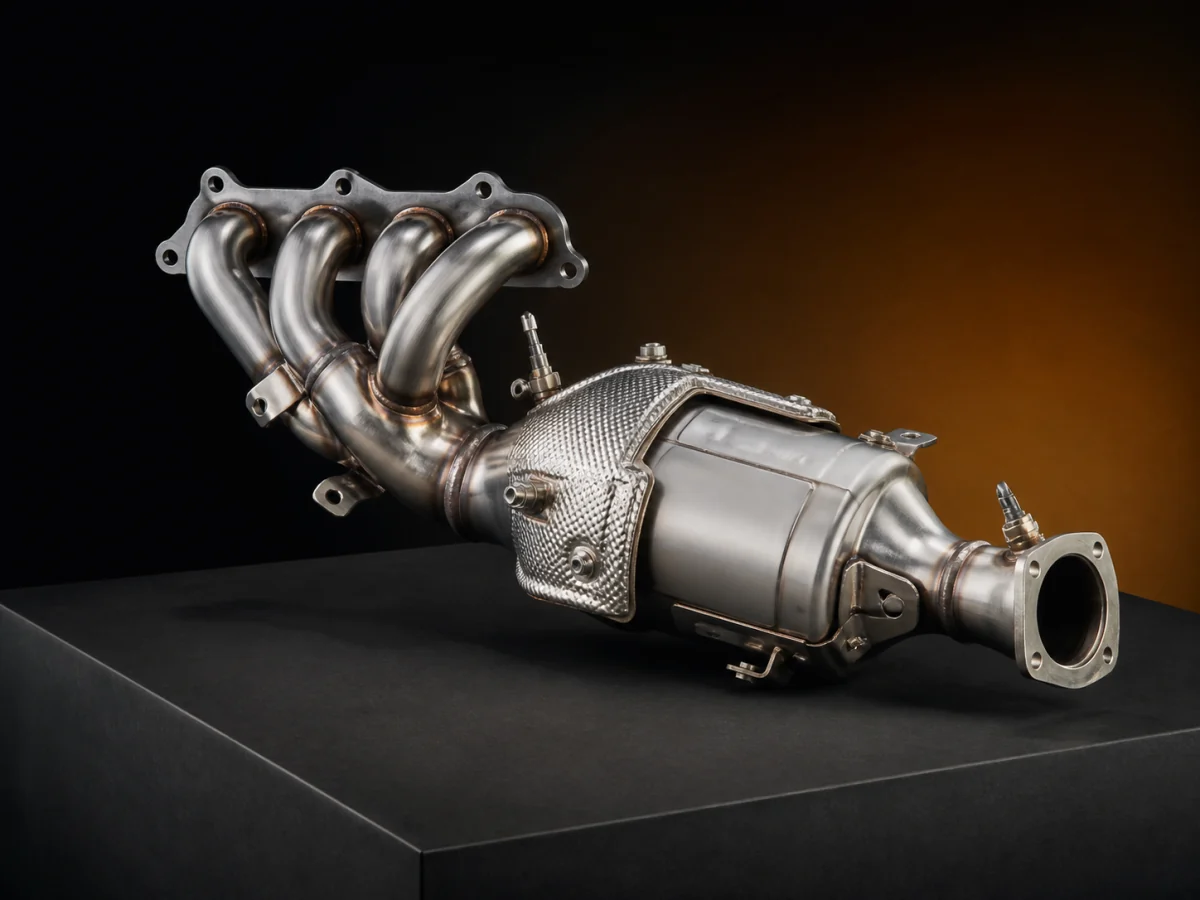
A diesel particulate filter traps particulate matter from diesel exhaust. A replacement decision should follow diagnosis of the vehicle, because a warning light or fault code alone does not prove that the filter body is the only cause.
How the filter cleans itself. Regeneration uses heat to burn accumulated soot. Frequent short journeys can prevent the process from completing. The Ford handbook examples linked below explain the process and distinguish cleaning messages from service warnings; their driving instructions are for those vehicles, not a universal procedure. Use the handbook for your exact vehicle and warning message. The exhaust can remain very hot, so keep it away from combustible material and seek professional assessment for a persistent fault or service warning.
Confirm legal and MOT context. Government guidance says removing a factory-fitted DPF is almost always illegal, and the MOT inspection checks for a missing filter where one was fitted as standard. Replacing or cleaning a DPF should not be used to conceal an unresolved engine, sensor or emissions-control fault.
Match the exact application. Record the complete identifiers from the original assembly and provide the requested vehicle build information. Pipework, sensors, pressure connections, catalyst content and emissions specification can vary. Ask the supplier to document any supersession rather than relying only on registration or engine size.
Ask for measurable condition evidence. Donor mileage, appearance and a 'cleaned' label do not establish remaining capacity. Ask what inspection or cleaning process was used, what was measured before and after, and which specification was applied. Contamination by oil, coolant, impact or excessive heat may require specialist assessment.
Plan diagnosis and fitting. A competent repairer should identify the cause of the original problem and follow current manufacturer procedures for sensors, adaptation and regeneration. Obtain the stated condition, included items, delivery, return and warranty terms in writing. No used DPF can be given a universal service-life estimate.
No inspection can guarantee the remaining life of a used part. Confirm identity, condition evidence, fitting requirements and written supplier terms for the individual item.
Sources & further reading
Sources used for this guide
- Owner manual — DPF operation, regeneration and hot-exhaust precautions (vehicle-specific example)- Ford
- Owner manual — DPF information messages and service warnings (vehicle-specific example)- Ford
- Diesel particulate filters: guidance note- Department for Transport
- MOT inspection manual — exhaust emissions- DVSA
The sources above support this guide. For safety-critical or transaction-specific decisions, use current official guidance and an appropriately qualified professional.
Frequently asked questions
Questions about this guide
How does a diesel particulate filter work?
A DPF traps soot from diesel exhaust. During regeneration, heat burns off accumulated soot so the filter can keep working. A warning light does not by itself establish whether the filter, a sensor or another fault needs attention; get the vehicle diagnosed before buying a replacement.
How does a DPF clean itself?
The vehicle manages regeneration under suitable operating conditions. Frequent short trips can interrupt the process. Follow the handbook for your exact vehicle and warning message, not a universal speed or driving time. A hot exhaust can be a fire hazard; a service warning or persistent fault needs professional assessment.
What should I check before buying a used DPF?
Confirm the complete assembly identifiers and vehicle application. Ask for condition, inspection or cleaning records, measurements before and after any cleaning, included sensors or connections, and written warranty and return terms.
Does a DPF warning light prove I need a replacement filter?
No. A warning or fault code alone does not identify the only cause. Have a competent repairer diagnose the vehicle and any sensor or emissions-control fault before ordering or fitting a replacement.
Does low mileage or a cleaned label prove a used DPF will last?
No. Neither establishes remaining capacity or service life. Ask what was measured and which inspection or cleaning process was used; contamination or heat damage may need specialist assessment.
Ready to buy?
Put this guide into practice
Request a check with UK parts suppliers for the relevant category. We'll email any quotes; availability, price, delivery and warranty terms vary by supplier.