
UK salvage categories and parts sourcing
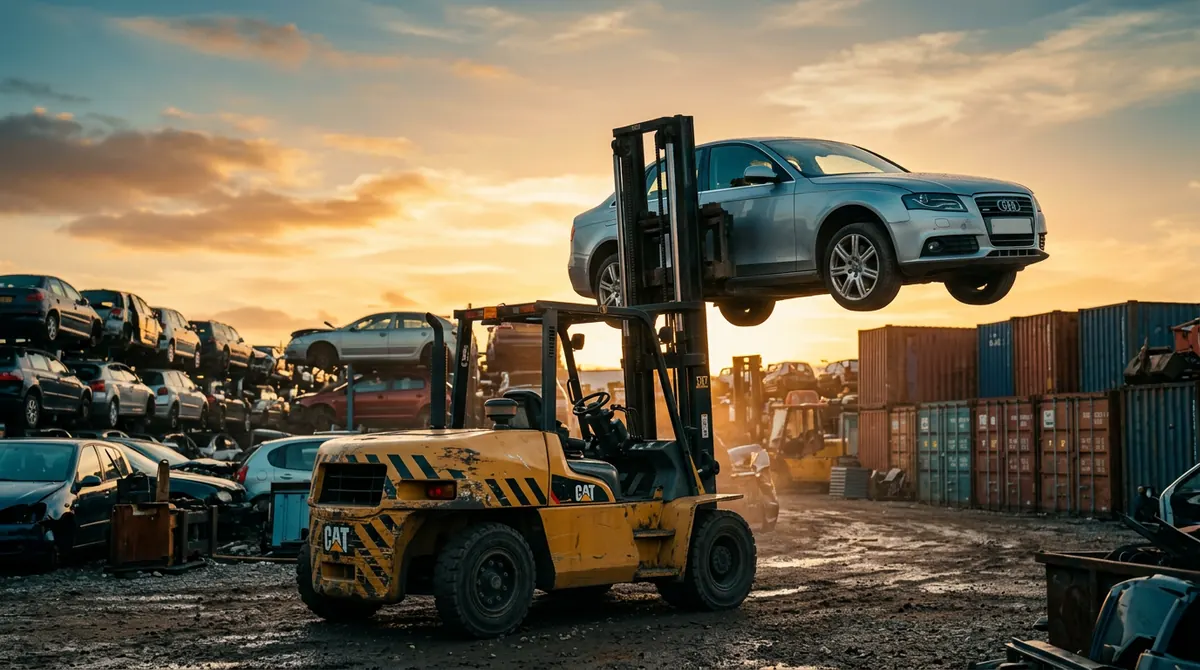
The UK salvage system categorises damaged vehicles; it does not grade the condition or suitability of every component removed from them. Use the category to understand restrictions on the vehicle, then assess any proposed part separately.
Insurance write-off categories A, B, S and N
GOV.UK distinguishes four outcomes:
- Category A: the whole vehicle must be crushed; it is not a donor-parts category.
- Category B: the vehicle cannot be repaired and its body shell must be crushed, although other parts may be salvaged.
- Category S: repairable structural damage.
- Category N: repairable non-structural damage.
S and N vehicles must be repaired to a roadworthy condition before returning to use. Non-structural does not mean undamaged or safe to drive. The ABI Salvage Code is voluntary; its categories and handling provisions do not replace environmental or roadworthiness requirements.
A vehicle category is not a part assessment
Do not turn a donor's category into a promise about a removed engine, ECU or panel. Ask what damage occurred, whether the offered component was affected, what inspection or testing was performed and whether repairs are known. Fire, water, contamination or an impact elsewhere can raise questions that a single exterior photograph cannot answer. The category is context for the enquiry, not the answer.
Waste status and dismantling are separate decisions
The Environment Agency's guidance applies to England: A and B write-offs are waste; S or N status alone does not make a vehicle waste, but deciding to scrap it changes the position. A vehicle being dismantled for parts is waste. Use the relevant nation's regulator for the receiving site, as explained in our breaker yard guide. Buying access to an auction is not authorisation to dismantle vehicles.
Buying a whole vehicle versus a removed part
If you plan to keep a written-off vehicle, follow the insurer and DVLA process linked below and obtain vehicle-specific repair and insurance advice before committing. This parts guide cannot establish roadworthiness, repair cost or insurability. When buying a removed part instead, identify the exact item, its number, known damage, included equipment and application. Keep those two purchasing decisions separate.
Questions to resolve before paying
Ask who owns and sells the item, which donor details can be provided, what the test evidence covers and what the written return terms allow. Have the fitting workshop review uncertainty about condition or compatibility. Keep the listing, photographs and invoice. Neither a low price nor a reassuring category letter replaces these checks, and no category guarantees an insurance outcome or a component's remaining service life.
Sources & further reading
Sources used for this guide
- Insurance write-off categories and keeping a written-off vehicle- GOV.UK
- ABI update to the Salvage Code of Practice — August 2025- Association of British Insurers
- When a motor vehicle is waste- Environment Agency
- Where vehicles can be scrapped- GOV.UK
The sources above support this guide. For safety-critical or transaction-specific decisions, use current official guidance and an appropriately qualified professional.
Frequently asked questions
Questions about this guide
Can parts be salvaged from a Category A or Category B vehicle?
GOV.UK says a Category A vehicle must be crushed entirely. For Category B the body shell must be crushed, although other parts may be salvaged. A category does not certify the condition or compatibility of a removed part; environmental handling rules still apply.
Does a salvage category tell me whether a used part is undamaged?
No. The category describes the damaged vehicle, not every component removed from it. Ask where damage or contamination occurred and obtain actual item photos, complete identifiers and inspection or test evidence.
What do Category A, B, S and N mean?
The ABI code labels A as scrap, B as break, S as repairable salvage with structural damage and N as repairable salvage without structural damage. Read the current code for the full definitions and handling restrictions.
What should I ask about a part removed from a salvage vehicle?
Ask for the complete part number, known damage, donor details that can lawfully be shared, testing, storage history and included items. Confirm written condition, delivery, fitting, warranty and return terms for the actual component.